The Importance of Functional Training
In today’s fast paced and out of control living situation which many people are experiencing, there is just no time to really focus on yourself – keeping ones mental health, physical health and social health all under control can be a very daunting task. Imagine making your daily activities easier to perform?
Functional training translates to an activity beyond your workout. In short, functional training is training that has a purpose. The purpose of such training is connected to improvement in everyday activities which may be walking, getting in and out of a car, squatting to pick up something from the floor or preparing to participate in or competing in a sporting activity, such as cycling or swimming for example.
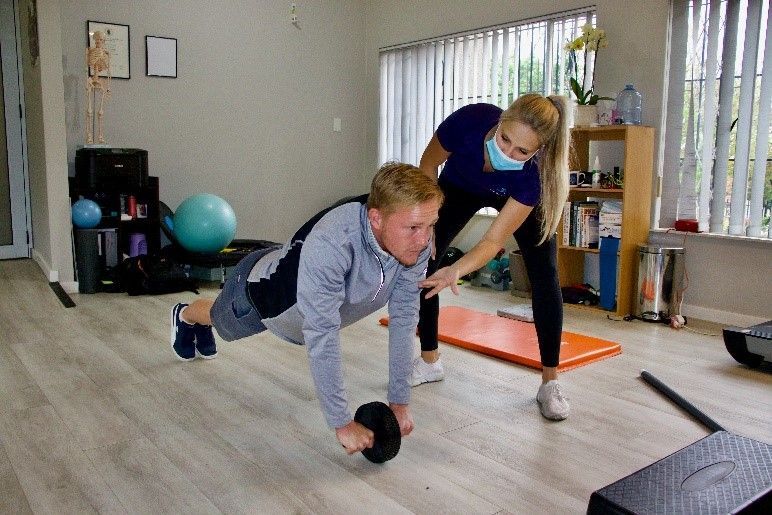
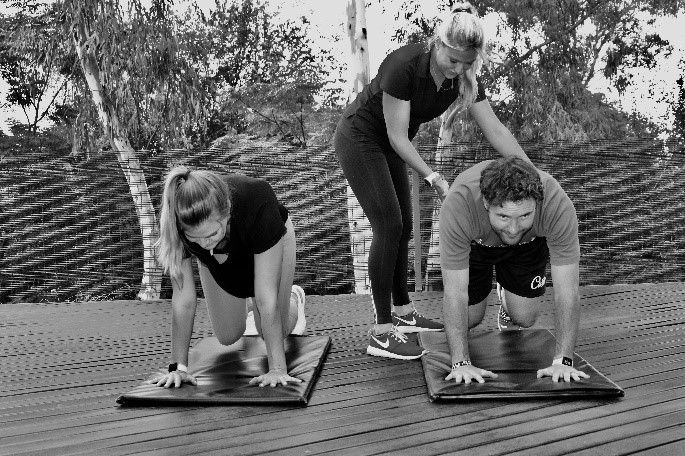
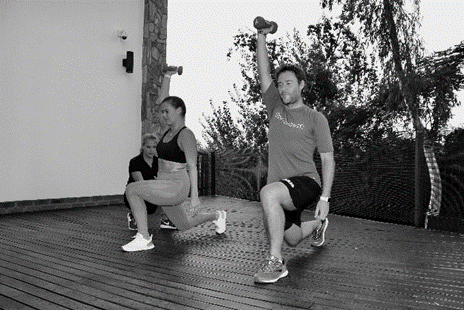
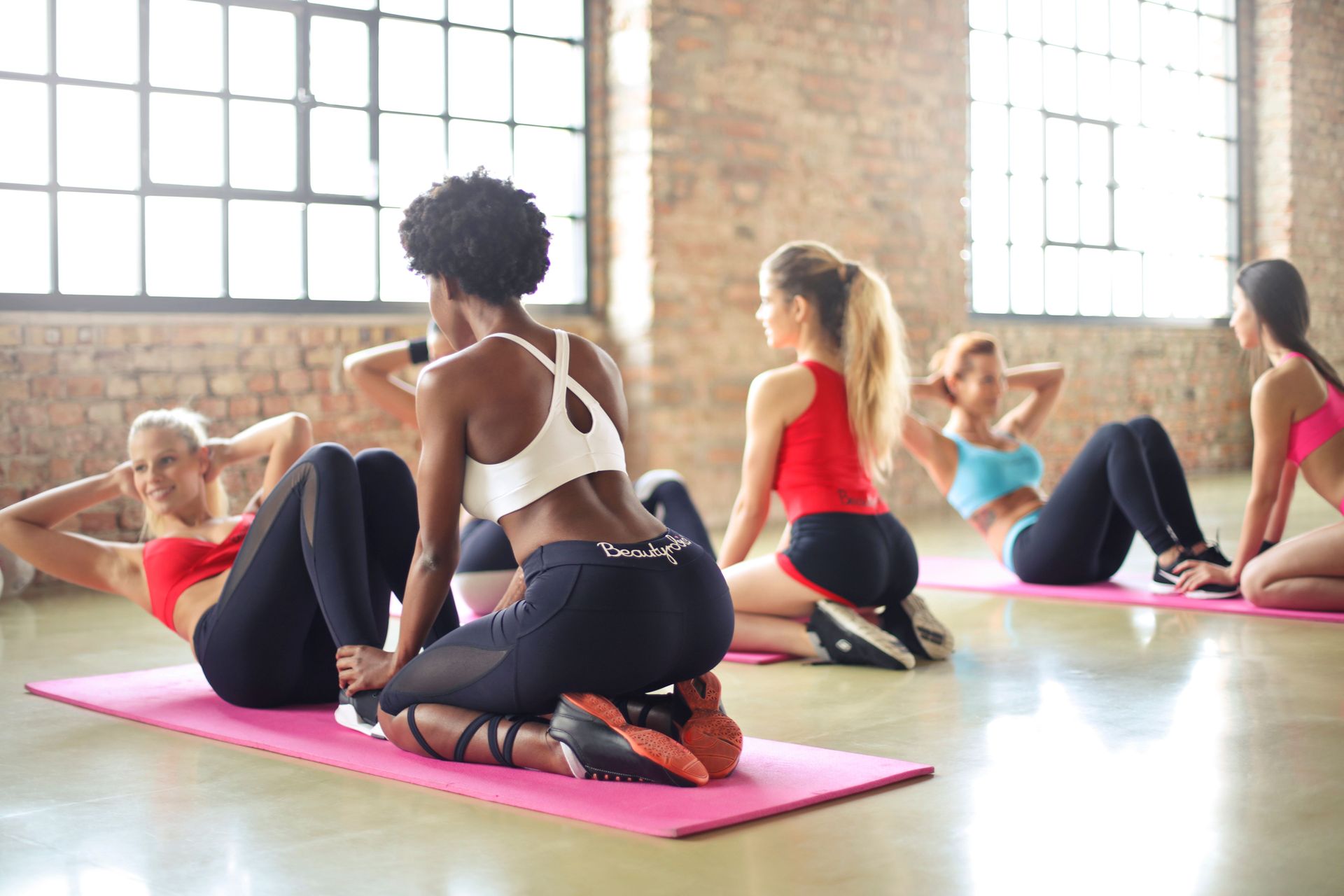
Functional workouts involve compound exercises which require more than one muscle group to work together, such as a push-up, burpee or a lunge. In conjunction with using multiple muscle groups, functional training includes incorporating the movements in multiple planes (forwards, backwards, side to side) and rotational movements (thoracic spine rotation, core power).


All sessions are designed specifically to use weights or body weight, never with machines. This prevents us from isolating your muscles , as one would do in a bicep curl. This type of training helps your body function better as a whole and your mind and muscles will learn how to work together and recruit multiple muscles groups to get a certain job done which will prevent any strain injuries that might occur when only using one muscle group.
You do need a certain level of coordination, focus and core strength to work multiple muscle groups during training sessions: the more you train functional, the better you’ll become at working your entire body as one connected system. You will improve on your Kinesthetic awareness (awareness of how your body moves) which in the long run will allow you to move purposefully and confidently while staying sturdy, strong, and safe.
Among the above, there are many other benefits and they include:
- Increased calorie burn
- Improved aerobic capacity
- Increase lean muscle mass
- Improved self esteem
- Improved movement patterns
- Improved movement efficiency
- Improved physique
- Improved coordination and mobility
So as you can see, there is no reason why you shouldn’t be incorporating function training into your exercise regime.
Contact us at SVC to see how we can tailor a function training session just for you!